

Commissioner Morath discusses TEA Annual Report with the SBOE

Date Posted: 1/30/2026 | Author: Heather Sheffield
On Wednesday, Jan. 28, Texas Education Agency (TEA) Commissioner Mike Morath made his regular update to the State Board of Education (SBOE) and answered SBOE member questions. The presentation was framed around the agency’s newly released Annual Report and TEA’s four “anchor priorities” for public education.
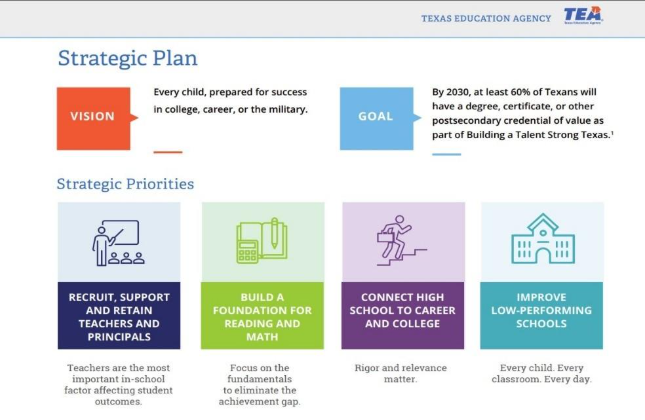
Morath said the annual report is intended to be a “clearinghouse” of objective information amid heated policy debates: “Everybody’s entitled to their own opinions … they’re not necessarily entitled to their own facts.” He reiterated that TEA’s “North Star” goal is ensuring every student graduates prepared for college, career, or the military, and he tied this goal to the statewide “Building Talent Strong Texas” target: By 2030, we want at least 60% of Texans to hold a degree, industry certification, or other postsecondary credential of value.
Morath walked the SBOE through key student performance indicators. He noted kindergarten readiness is about 51%, slightly down year over year. By third grade, TEA reports that reading proficiency is improving and exceeding pre-COVID levels, while math remains below pre-COVID performance, a pattern Morath said becomes “even more stark” by eighth grade. Morath flagged these math trends as especially worrying for students’ long-term prospects, describing the continued dip in middle-grade math achievement as “deeply problematic for setting students up for success later on in life.”
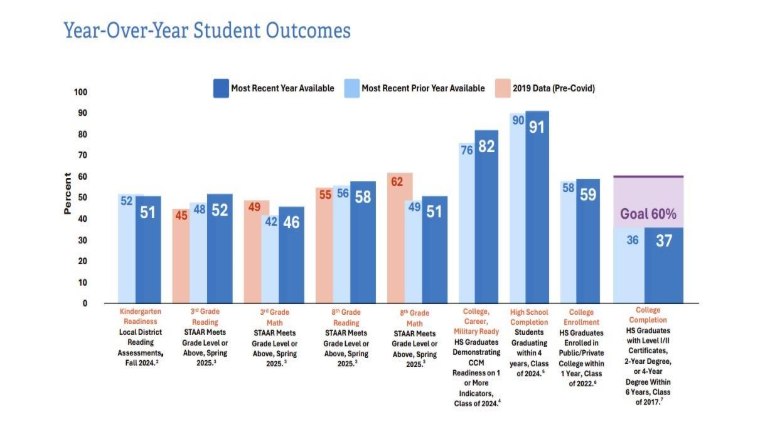
On high school measures, Morath highlighted a sharp increase in reported college, career, and military readiness (CCMR) for the class of 2024: “82% up from 76% the year before.” He also emphasized Texas’ 91% four-year graduation rate, calling it notable given student poverty rates. Texas is “in the top of the country” in terms of on-time graduation, even as “about 60% of our kids require federal subsidies” to eat regularly. Morath said that longer-term outcomes remain a challenge. TEA reports that 37% of the class of 2017 completed a degree or credential within six years.
Morath also mentioned but did not elaborate on upcoming refinements to CCMR measures, including changes to industry-based credential pathways (adding program-of-study completion) and tightening standards around certain “college prep” courses after TEA reviewed rigor and found many students did not actually demonstrate college readiness.
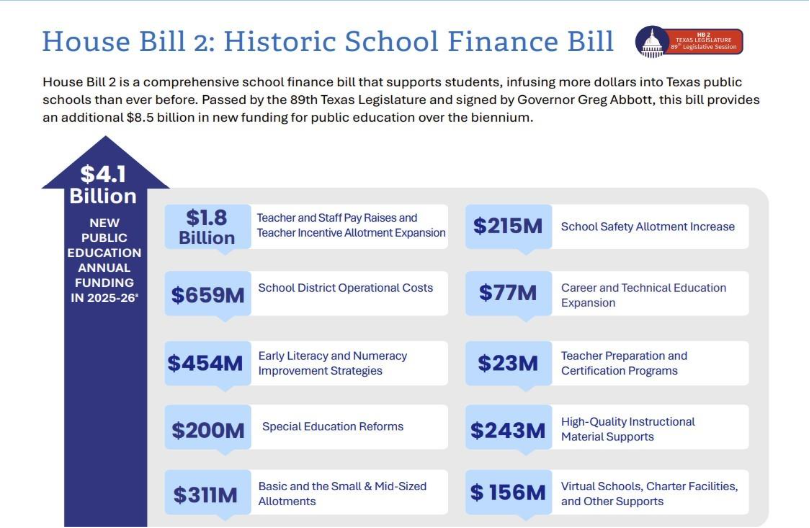
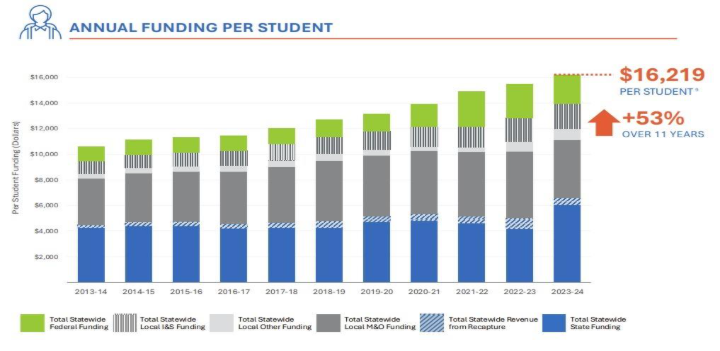
Morath underscored total per-student funding (for 2023-24) at $16,219 per pupil, a number that includes significant bond dollars that, by law, cannot be spent on operational expenditures such as educator salaries and other program expenses. Notably, he reported this misleadingly high number while pushing back on a lower figure used by some school leaders and public officials that reflected only the Basic Allotment, which at the time was $6,160 per student. The true per-pupil average, which varies from district to district, was approximately halfway between the two cited figures. Morath went on to spotlight House Bill (HB) 2 funding, describing it as the largest infusion of state resources for public education in Texas history. He walked through the allocation of first-year funds and highlighted major investments in teacher/staff pay raises, operations, early literacy/numeracy, special education reforms, safety, HQIM, and facilities supports, noting that HB 2 is structured to scale over time.
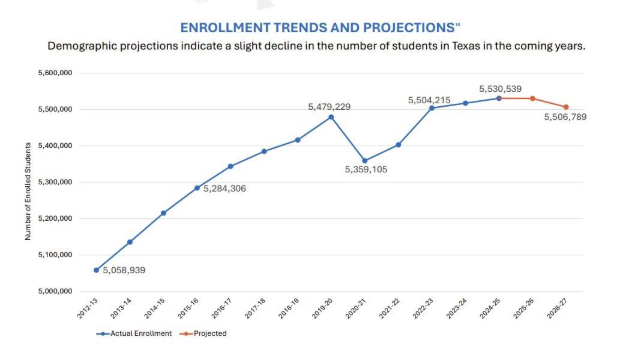
He also pointed to changing demographics. After a decade of strong enrollment growth, Morath said Texas is now seeing a post-COVID flattening, with projections that trend downward, which he warned will require districts to adapt budget strategies because “enrollment is what funds school systems.” By his estimation, this is why so many districts are being forced to close schools. In reality, the enrollment funding picture between available seats and students is considerably more complex than a single demographic factor.
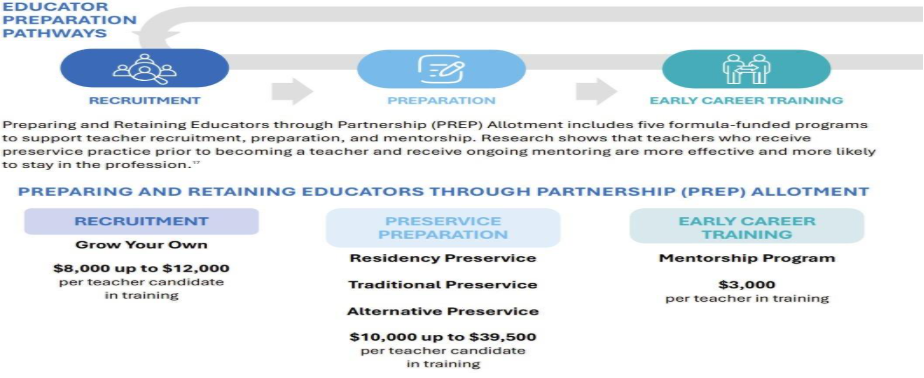
A major portion of Morath’s remarks focused on recruiting, supporting, and retaining teachers and principals. He described new state investments in educator pipelines as a fundamental shift and seems encouraged that Texas is now subsidizing teacher certification and training through multiple pathways.
Morath highlighted:
-
A “prep allotment” designed to help paraprofessionals finish degrees and become teachers (with $8,000–$12,000 in per-candidate supports).
-
Paid preparation models, including a full-year residency, paid student teaching during the final semester for undergraduates, and paid intensive summer training for career switchers (with $10,000–$40,000 per-candidate investments).
-
Expanded mentoring and release time for early-career teachers because “the first year of teaching is often the hardest year.”
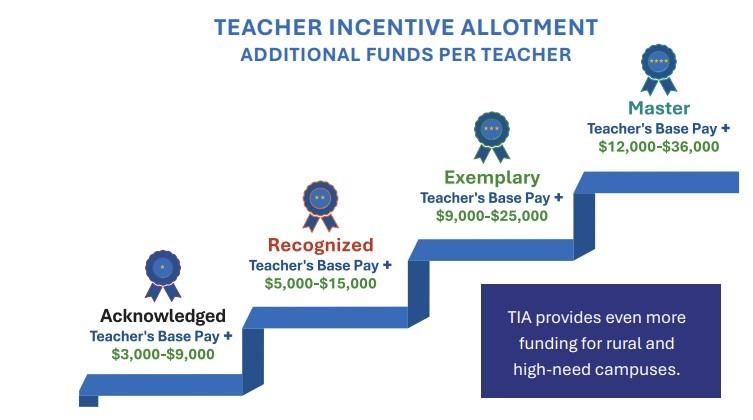
He also emphasized expansion of the Teacher Incentive Allotment (TIA). Morath said the state had added an “acknowledged” tier and expanded award amounts, with the top tier reaching “up to $36,000 per year” in additional compensation. He projected that as TIA scales statewide, it will drive “$2.2 billion per year” into Texas schools to support highly effective educators.
Morath referenced the state’s ongoing focus on early literacy and math and talked about lessons learned from Reading Academies. He acknowledged that teachers found them valuable but challenging to access, so the Legislature funded either release time or additional pay for teachers completing required training outside contract hours. He then pointed to plans to scale Math Academies over five years, training roughly 100,000 teachers in evidence-based math instruction.
Morath also highlighted military readiness efforts, including changes to fund JROTC programs more like career and technical education (CTE). He shared an observation about enlistment tracking, saying the state measures captures direct enlistment by the December after graduation, which SBOE members noted may miss later enlistment after college or ROTC/OCS pathways. Morath also noted an incentive students may not realize, which is that completing the full JROTC sequence and then enlisting can mean starting the military at a higher pay grade.
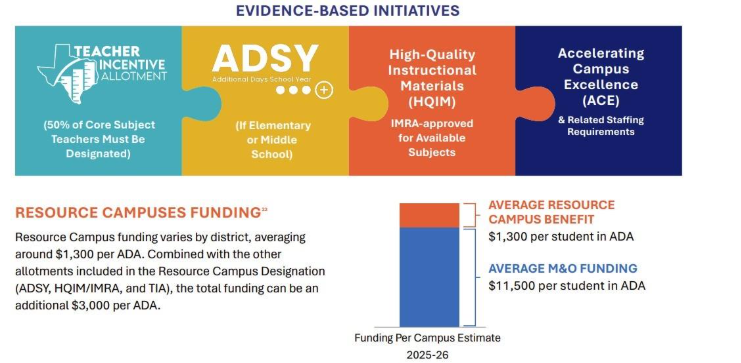
Morath described the new resource campus designation as a major turnaround lever. Districts that implement a comprehensive package with strong staffing, extended learning time, HQIM, and wraparound supports can receive about “$1,300 per kid in funding in perpetuity” to sustain improvements. He referenced evidence from the ACE model showing meaningful proficiency gains when implemented with fidelity.
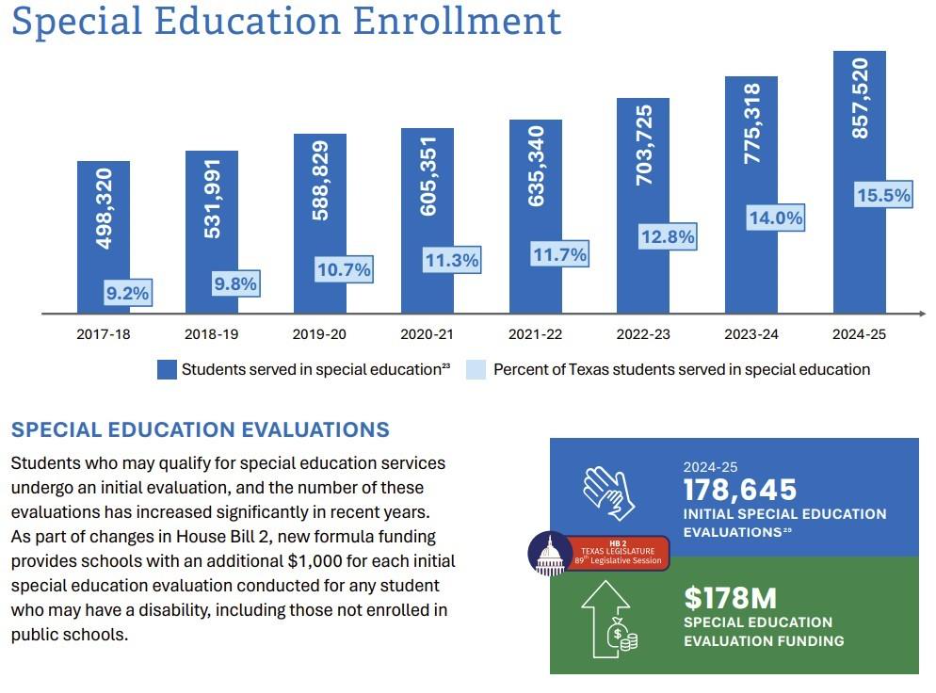
Morath took credit for special education growth since his tenure began, saying that Texas had moved from 8.6% identification to 15.5% (about 857,000 students), while failing to acknowledge the initial number of 8.6%, well below the national average, was primarily due to a cap overseen by his agency that had been removed—largely due to a lawsuit filed against the state. He emphasized HB 2’s new $1,000 per-evaluation support, noting roughly 178,000 initial evaluations occur annually statewide, which creates a significant ongoing cost for districts. He also discussed dyslexia and the broader reach of special education services, emphasizing that special education is not limited to self-contained classrooms but ensures legal entitlement to individualized supports.
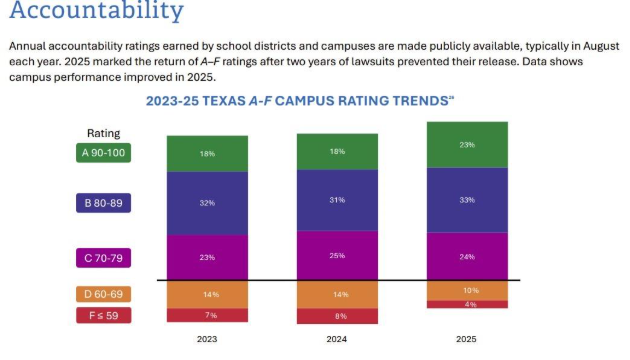
Morath noted improvements in campus ratings trends, including fewer D/F campuses in the most recent year shown in the report.
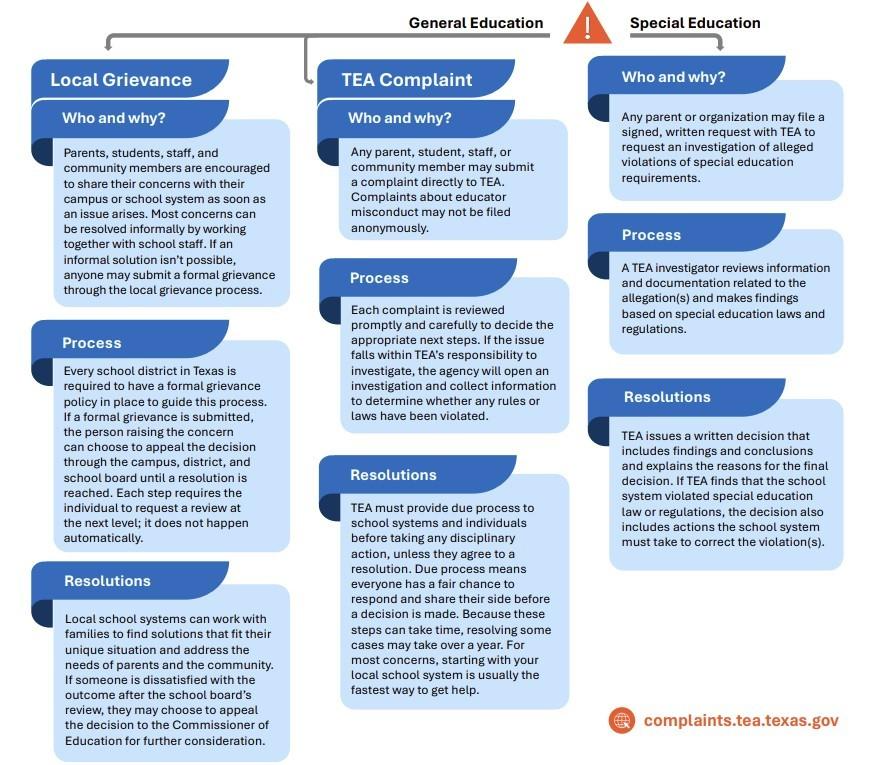
On parent complaints, he emphasized the Legislature’s strengthened grievance escalation process. He suggested that problems are “best resolved locally and informally” and that people should contact the teacher/principal first, then the superintendent, then the local board, though he added that TEA complaints are appropriate in cases of serious misconduct.
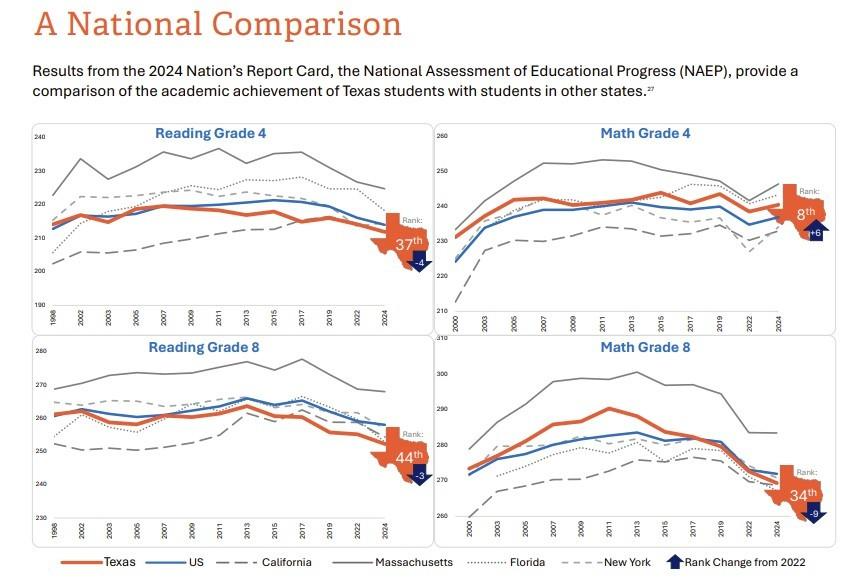
Morath acknowledged Texas’ NAEP standing is not where the state wants it, with fourth grade reading around the 37th ranking, eighth grade reading 44th, and eighth grade math 34th. Still, he argued comparisons require context. Texas educates large shares of English learners and low-income students. He offered an example comparing Texas with New York to illustrate that higher funding doesn’t automatically translate to better outcomes across all student groups, saying “Clearly, there’s more to the picture than just funding.”
He closed by saying: “The annual report is meant to ground debates in evidence. There are areas to celebrate, areas improving year over year, and areas demanding urgent work.”
Check back soon for a full recap on the rest of the agenda items covered by the State Board of Education during its January meeting.
CONVERSATION
RECOMMENDED FOR YOU

08/21/2026
Teach the Vote’s Week in Review: Aug. 21, 2026
Public education continues to dominate conversations on the campaign trail, with candidates turning their attention to library books and “administrative bloat.” Plus: House Pensions Committee holds interim hearing on TRS.

08/21/2026
On the Campaign Trail: Aug. 21, 2026
Abbott and Hinojosa both spent much of their airtime this week on public education issues, including a call from the governor to audit school districts.
08/21/2026
Analysis: A tale of two audits
An audit finds “administrative bloat” at TEA—but the governor turns his attention to his perception of the same issue in school districts.